
Insights and Resources

Cancer Care Group vs. One-on-One Therapy in Chicago
Searching for a cancer care group in Chicago often happens because you are carrying something no one else can lighten. You may feel fear or exhaustion. Loneliness may settle in, especially when others cannot imagine what you experience. When you look for support, it can help to define what you need first.

When to Start Cancer Counseling and How to Know You Need Support in Chicago
You may notice life changes quickly after a cancer diagnosis. Keeping up with appointments, providing updates, and trying to hold things together can leave you feeling as if something is coming undone inside. If you wonder whether your emotions are normal or if you should keep pushing forward alone, it helps to know that cancer counseling exists for this kind of experience.

Support Group for Caregivers or Therapy: Find Your Fit
Support groups or centers bring together people with shared experiences. Group members often care for loved ones or face similar challenges. You connect around familiar experiences. Therapy, in contrast, happens with a licensed clinician. It’s a private conversation about your specific feelings, habits, and needs. Both offer support, but in different ways.

Stress Management for Caregivers of Cancer Patients Who Feel Constantly on Edge
Caring for someone with cancer often creates a persistent sense of pressure. You may find yourself lying awake at night, mind full of scenarios that feel impossible to resolve. Mornings might start with a mental checklist, where each new task adds to a sense that things could shift at any moment. The weight can feel constant, before your day even begins.

Find a Support Group for Caregivers Near You in Chicago or Online
Stress as a caregiver can persist throughout the entire cancer experience. Some caregivers even notice an increase in intensity when treatment ends. Support groups may help you feel less isolated, but the pace of change varies.

Find Cancer Therapists Who Take Insurance Now
A cancer diagnosis creates constant pressure. You manage appointments, collect new information, update the people you care about, and try to make sense of it all. Someone may suggest therapy during this time. This is often helpful. However, when you try to find a therapist with experience in cancer who is in-network with your insurance, you may find a long, confusing directory. The process can feel like another burden on top of what you are already carrying.

Chicago Resources for Patients with Cancer You Can Use
A cancer diagnosis creates sudden change. You start navigating medical appointments, treatment decisions, and insurance calls almost immediately. In the middle of these demands, someone might suggest a support group. You may try it and find some relief, or you might still feel alone with everything you are carrying. This isn't a failure. It means you need more than one kind of support. Here is a guide to resources for patients with cancer in Chicago, focused on practical needs alongside emotional support.

Finding Cancer Support Therapy in Chicago: Support Groups, Counseling, and Emotional Help
Cancer support therapy focuses on the emotional and mental impact of cancer. This can help if you are a patient, a partner, or a family member. Medical treatment centers on the body, but these sessions give you time to work through fear, grief, and uncertainty. Processing these feelings makes it less likely they’ll shape your daily experience in ways you don’t want.

Cancer Caregiver Support Groups Near Me: Find Emotional Support
Cancer caregiver support groups bring together people who care for someone with cancer. These groups meet in-person or online. Some are led by professionals. Others rely on peers who have managed similar responsibilities. The focus is on shared experience. You do not need to explain everything. People in the room understand the patterns, decisions, and feelings you face each day.

Signs You Need a Chicago Loop Couples Counselor’s Help
Choosing to work with a couples counselor in the Chicago Loop means you have space to examine what is happening between you. Patterns in relationships rarely change by themselves. It’s common to try managing things alone for years. Research suggests couples often wait about six years before seeking support. Carrying the weight of relationship distress for that long can affect many areas of your life.

Chicago Therapists Share How Couples Therapy Can Help
Research suggests that many couples notice positive change during and after engagement in therapy. Most outcomes depend on whether both partners are willing to participate and whether the therapist’s style matches what you require. Sometimes therapy also clarifies what each person wants from the relationship moving forward.

Find a Good Couples Therapist in Chicago Who Takes Blue Cross Blue Shield
Couples therapy creates space for both partners to talk directly about their dynamics with a licensed professional. It does not focus on blame. Instead, you learn to name the repetitive patterns, understand each other's responses during conflict or distance, and look at what creates these stuck points. Sessions draw from your day-to-day life, making the conversation practical and specific.

Finding Cancer Support Therapy in Chicago That Accepts Blue Cross Blue Shield
Cancer support therapy gives you space to talk about the emotional side of cancer—diagnosis, treatment, and life afterward. It does not replace medical care. Instead, it helps you notice how fear, grief, or uncertainty show up in your day. It allows you to focus on what is happening to your relationships, your routines, and the sense you have of yourself. This therapy addresses how cancer disrupts the world you knew.

Why Work Anxiety Hangs On When Nothing Seems Wrong
Work anxiety means you live with ongoing worry or stress tied to your job. You may feel this anxiety because of deadlines, a heavy workload, navigating relationships with colleagues, questions about job security, or concerns that you do not measure up at work. The pressure does not disappear when you go home. It stays with you and shapes your mood and energy.

Fear of Cancer Recurrence: Causes, Signs, and Relief
You may feel it as ongoing worry, sudden waves of anxiety, or a quiet undercurrent that follows you through daily life. This response is one of the most common emotional patterns after finishing cancer treatment. Understanding why it happens and how it appears can help make sense of what you are experiencing.

Why Couples Feel Stuck in the Same Argument (and How to Break the Pattern)
Recurring arguments create a particular kind of exhaustion. The conflict itself can drain you, but the predictability makes it heavier. When you expect no real change, you may feel loneliness, distance, or question your hope for something different.
What Causes Anxiety in Midlife and Why It Feels So Hard to Explain
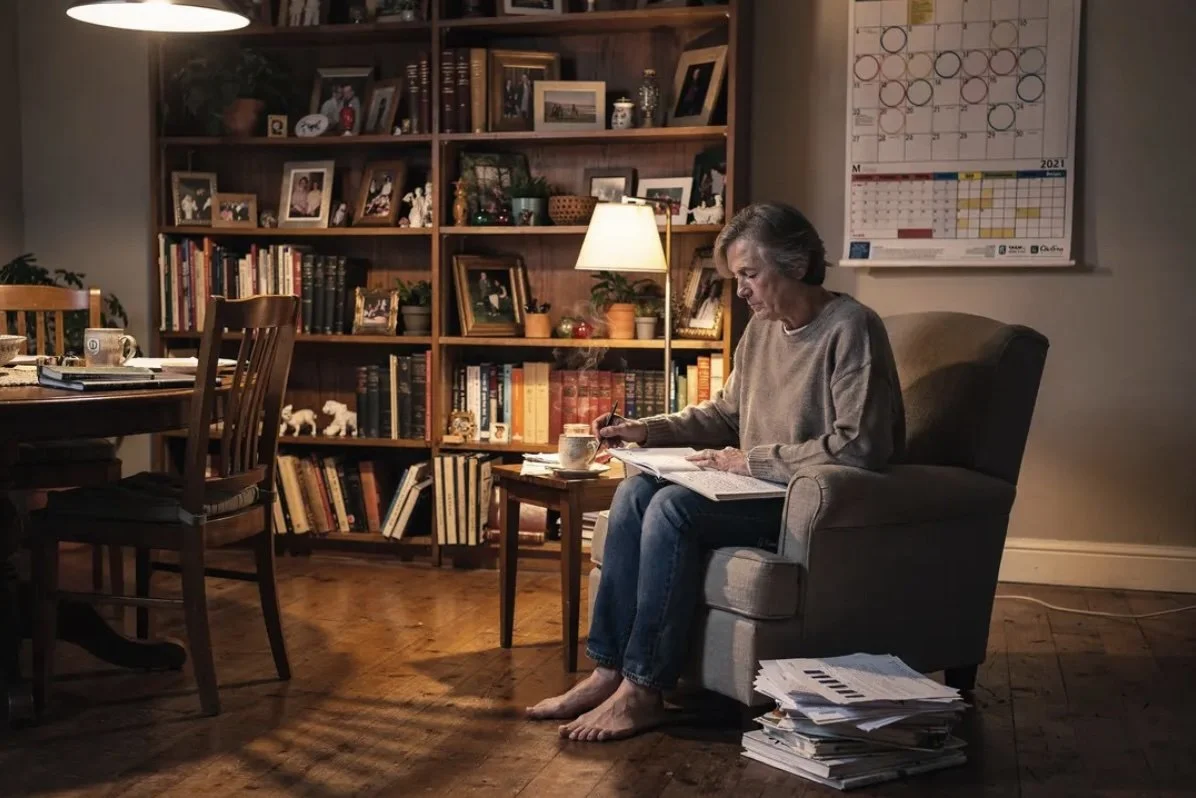
From the outside, your life looks stable. Inside, you may notice a steady sense of unease that lingers throughout your day. Fatigue shows up in the morning. Irritability appears without a clear reason. You find yourself silently asking, is this the life I want to continue living?

How to Stop Constant Fear After Cancer Treatment (When Everyone Else Thinks You’re ‘Fine’)
Your cancer treatment ends. Your doctor confirms there are no immediate concerns. People around you may feel relieved, even ready to celebrate. But you notice you do not feel better. The relief others expect does not match what you experience inside.

What Triggers a Midlife Crisis for Women and What Actually Helps
Many women look for a clear start to a midlife crisis, expecting it to feel dramatic or obvious. Usually, it does not appear that way. Most often, you notice a quiet shift inside. You may find it difficult to put your experience into words, especially with people around you who may not see what has changed.

Therapy for Cancer Caregivers in Chicago Dealing With Fear and Burnout
Support does exist for this. Many caregivers turn to therapy when fear or uncertainty begins to affect everyday life. Therapy can offer a steady place to work through what weighs on you.