After the Diagnosis: Finding Your Footing When Cancer Upends Everything
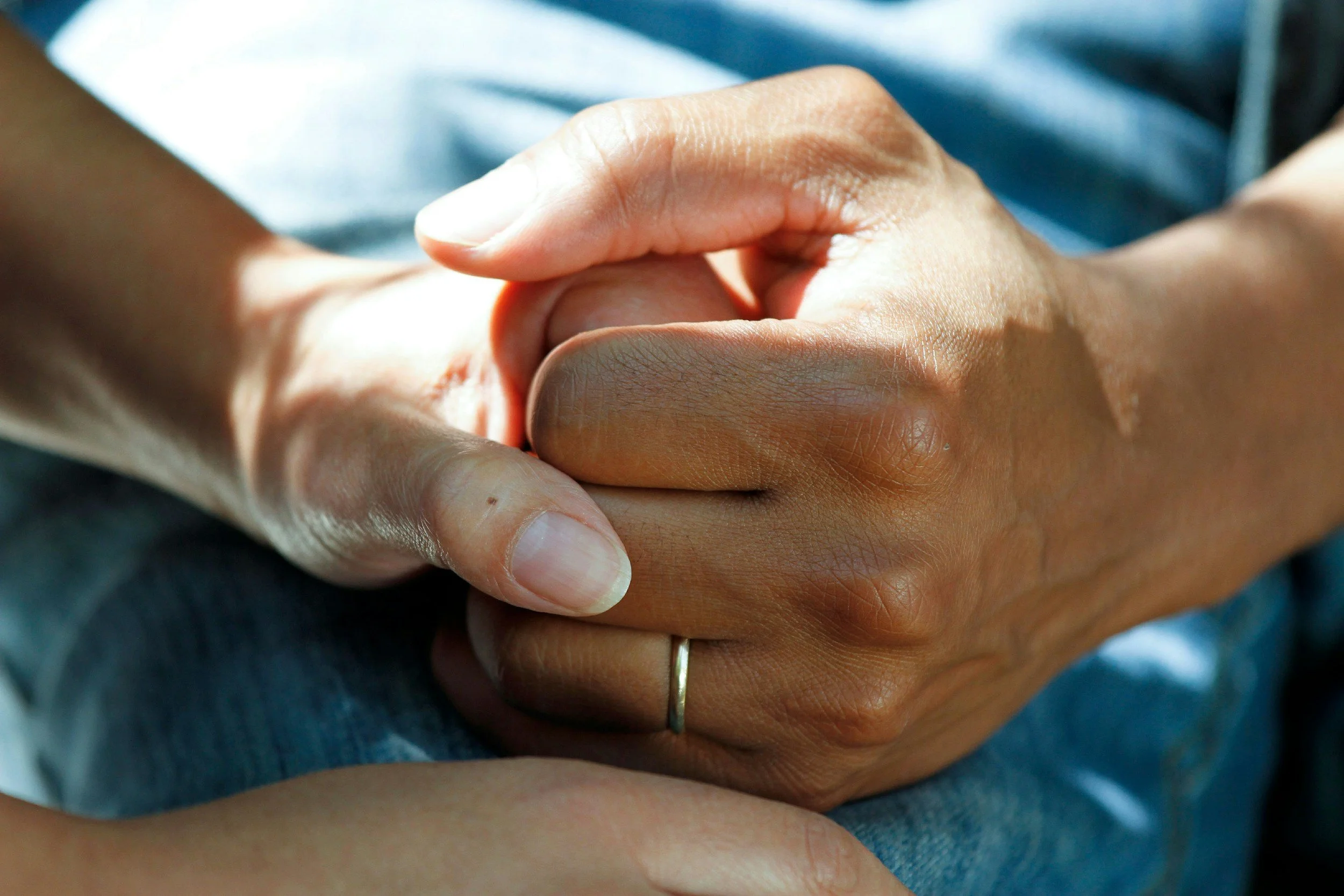
There's before, and there's after.
Before the diagnosis, you had plans. You had a sense of what your life looked like, what next month would bring, what you'd be doing next year. You had a body you could mostly count on and a future that felt, if not certain, at least predictable.
And then came the words. Cancer. Malignant. Treatment. Prognosis.
Suddenly, everything shifts. The ground beneath you feels unsteady, and you're expected to make critical decisions while your mind is reeling. You're supposed to be strong, to fight, to stay positive—all while processing news that has fundamentally changed your life.
The Emotional Earthquake
A cancer diagnosis isn't just medical news. It's an identity crisis, a loss of control, and a confrontation with mortality all rolled into one overwhelming moment.
You might be experiencing:
Shock and disbelief. Even if you suspected something was wrong, hearing the actual diagnosis can feel surreal. Your mind may struggle to accept what you're being told. This numbness is protective—your nervous system's way of giving you time to absorb information that's too big to take in all at once.
Fear. Fear of treatment, of pain, of what this means for your future, of death. This fear might show up as panic attacks, sleepless nights, or a constant knot in your stomach. It's one of the most natural responses to a cancer diagnosis, and it doesn't mean you're not handling things well.
Anger. Why me? Why now? Anger at your body for betraying you, at the unfairness of it all, at people who seem to breeze through life without this burden. This anger is valid, even when it feels irrational.
Grief. You're mourning the loss of your "before" life—the plans that now feel uncertain, the sense of invincibility you didn't know you had, the future you'd imagined. This is a real loss, and it deserves to be grieved.
Guilt. Guilt about burdening your loved ones, about not being able to fulfill your responsibilities, about wondering if you somehow caused this. Many people with cancer carry guilt they don't deserve and wouldn't impose on anyone else in their situation.
All of these feelings can exist at once. They can shift by the hour. And none of them mean you're doing this wrong.
The Pressure to Be Positive
"Stay positive." "You've got this." "You're so strong." "Just keep fighting."
These messages come from a good place, but they can create an exhausting pressure to perform positivity when what you're really feeling is terrified, angry, or sad.
Here's something that might surprise you: research shows that forced optimism doesn't improve cancer outcomes, and it can actually increase distress. Pretending to feel hopeful when you're scared doesn't make you healthier—it just makes you feel more alone with your fear.
You don't have to be brave all the time. You don't have to inspire anyone. You're allowed to have bad days, to cry, to be angry, to not want to talk about it. You're allowed to feel however you feel without worrying about disappointing people who need you to be "a fighter."
Being honest about your struggle isn't giving up. It's being human.
Finding What Helps
There's no roadmap for getting through this, but there are tools that can make the journey more bearable:
Take things one step at a time. When you're first diagnosed, the future can feel like an overwhelming blur of appointments, decisions, and unknowns. You don't have to figure out everything at once. Focus on the next appointment, the next decision, the next day. Breaking it down makes it manageable.
Gather your information, but know when to step back. Learning about your diagnosis and treatment options is important, but endless internet research can fuel anxiety rather than calm it. Give yourself boundaries around how much you read and when. Late-night Google spirals rarely bring peace of mind.
Ask for what you need. People want to help but often don't know how. Be specific. "Can you pick up groceries on Thursday?" is easier for someone to act on than "Let me know if you need anything." If you need space rather than company, that's okay to say too.
Find your people. Some relationships will surprise you—people you thought would show up might disappear, while others step forward in unexpected ways. Lean into the relationships that feel supportive and give yourself permission to step back from those that drain you. Support groups, whether in person or online, can connect you with people who truly understand what you're going through.
Keep some parts of your life yours. Cancer can take over everything if you let it. Try to maintain small pieces of normalcy—a hobby, a routine, a TV show you follow. These aren't distractions from the "real" issue; they're anchors that remind you that you're still you, not just a diagnosis.
Let yourself feel what you feel. Create space for the hard emotions instead of pushing them away. Cry when you need to. Journal. Talk to someone who won't try to fix it or rush you toward silver linings. Feelings don't disappear when we ignore them—they just get louder.
The Hidden Struggles
Some aspects of living with cancer don't get talked about enough:
The isolation. Even surrounded by people, you can feel profoundly alone. Your experience is uniquely yours, and sometimes that gap between what you're going through and what others can understand feels unbridgeable.
The loss of identity. If you've always been the capable one, the caretaker, the person who has it together, needing help can feel like losing yourself. Your diagnosis may force you into a patient role that doesn't fit with how you see yourself.
The strain on relationships. Cancer doesn't just affect you—it affects everyone around you. Partners, children, and friends are struggling too, often while trying to be strong for you. This can create tension, miscommunication, and feelings of guilt on all sides.
The financial stress. Even with insurance, cancer is expensive. The cost of treatment, time off work, and unexpected expenses can add a layer of anxiety that compounds everything else.
The aftermath. Even after treatment ends, things don't just go back to normal. There's ongoing monitoring, fear of recurrence, and the challenge of reintegrating into a life that kept moving while yours stood still. Survivorship brings its own complicated emotions.
When You Need More Support
Coping with cancer isn't something you should have to do alone. If you're finding it hard to function, if anxiety or depression is overwhelming, if you're having thoughts of harming yourself, reaching out for professional help isn't a sign of weakness—it's a necessary part of your care.
Therapy can provide:
A safe space to process the fear, anger, and grief without worrying about burdening others
Tools for managing anxiety and intrusive thoughts
Help navigating relationship changes and communication challenges
Support for decision-making when everything feels overwhelming
A place to talk about the things you can't say to your loved ones
Moving Forward (Not "Moving On")
You won't go back to who you were before the diagnosis. That's not failure—it's reality. Cancer changes people. The question isn't whether you'll change, but how you'll integrate this experience into your life.
Some days will be harder than others. Some days you'll feel strong and hopeful. Other days you'll feel defeated and scared. Both are okay. Both are part of this.
You don't have to be grateful for the lessons or find the silver lining or become a better person because of cancer. But you also don't have to let it define everything about you. You're still you—just navigating something extremely difficult.
If you're struggling with a cancer diagnosis and need support, therapy can help. You don't have to navigate this alone.